
If you’re a fresher applying for jobs in 2026, let me start with something uncomfortable but honest: Most resumes aren’t rejected because the candidate is a fresher.
They are rejected because the resume doesn’t help the recruiter make a decision.
I say this as someone who spent nearly 10 years as a recruiter, scanning resumes across IT, sales, operations, marketing, and customer support. On busy days, I would review 200 resumes before lunch. Some freshers received interview calls with barely any experience, while others, even those with prestigious degrees and top marks, were passed over.
The difference was never luck. It was almost always the resume.
This guide isn’t written to impress Google or sell you shortcuts. It’s written the way I’d explain it if you were sitting across from me, worried about your first job.
Why Fresher Resumes Actually Fail
When I screened resumes, I wasn’t judging creativity. I wasn’t looking for fancy layouts or “unique personal branding.” Honestly, I was looking for the answers to four basic questions:
- Can this person communicate clearly?
- Do they understand what this job actually entails?
- Can they learn without constant hand-holding?
- Is this resume serious—or is it careless?
Most fresher resumes fail not because of what is written, but how it is presented. Common pitfalls include:
- Visual Clutter: Designs copied from Canva without understanding how ATS (Applicant Tracking Systems) work.
- The “Wall of Text”: Long paragraphs that recruiters simply skip.
- Missing Context: Plenty of academic marks, but zero indication of practical skills.
- Lack of Intent: Using templates blindly without thinking like a hiring manager.
The 3-Part Framework for a 2026 Resume
Before you pick a template, you need to understand how I (and my colleagues) read them. I don’t read top to bottom; I scan. I look for structure first, then clarity, then relevance. A good template must support that process.
1. It must be ATS-compatible
This is non-negotiable. If your resume uses heavy icons, complex tables, or text boxes, it may never reach a human. If it does, it often arrives scrambled. Recruiters don’t value “beauty” over readability.
2. It must pass the “6-Second Test”
I typically spend 6 to 8 seconds on an initial scan. In that window, I need to find your Education, Skills, Projects/Internships, and Tools. If I have to hunt for them, I move on.
3. It must show potential, not “fake” experience
Recruiters know freshers don’t have a 10-year career history. We get worried when a resume pretends otherwise with exaggerated titles or vague claims. A good template highlights your learning and exposure without forcing you to act like a 5-year professional.
Free Resume Templates for Freshers That Actually Work
Instead of overwhelming you with options, here are the four formats I have consistently seen succeed.
The One-Page ATS-Friendly Resume
My top recommendation. Clean layout, one page, and no drama. This format works because it respects the recruiter’s time. It includes:
- Contact details at the top.
- A 2-line summary (no “objective” fluff).
- Categorised skills, education, and projects.
The Education-Focused Chronological Resume
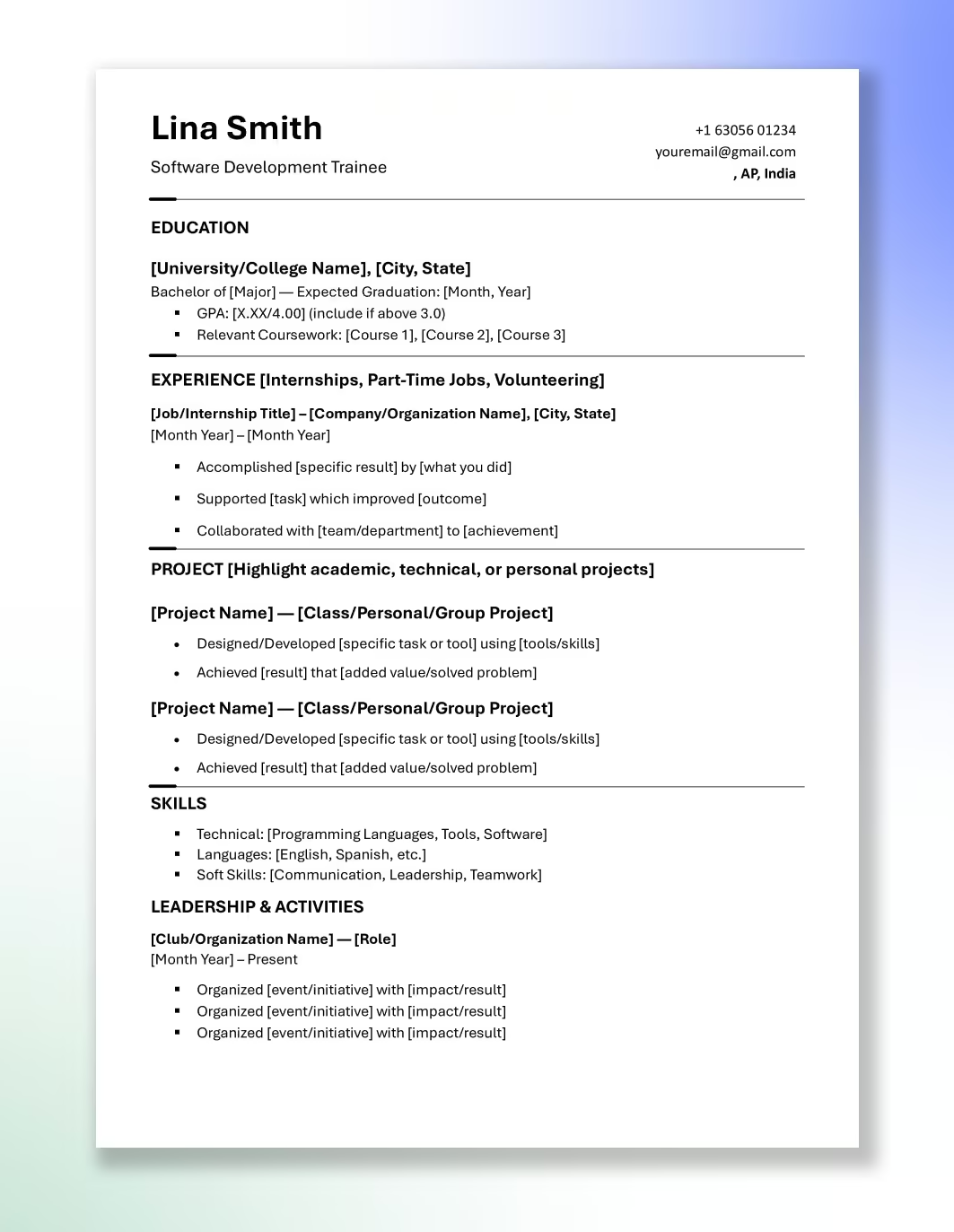
This works best if your academics are your strongest asset or if you’ve completed specific coursework and live projects. It shows a natural progression of learning, which builds trust with the hiring manager.
The Skill-Based Resume (Use With Caution)
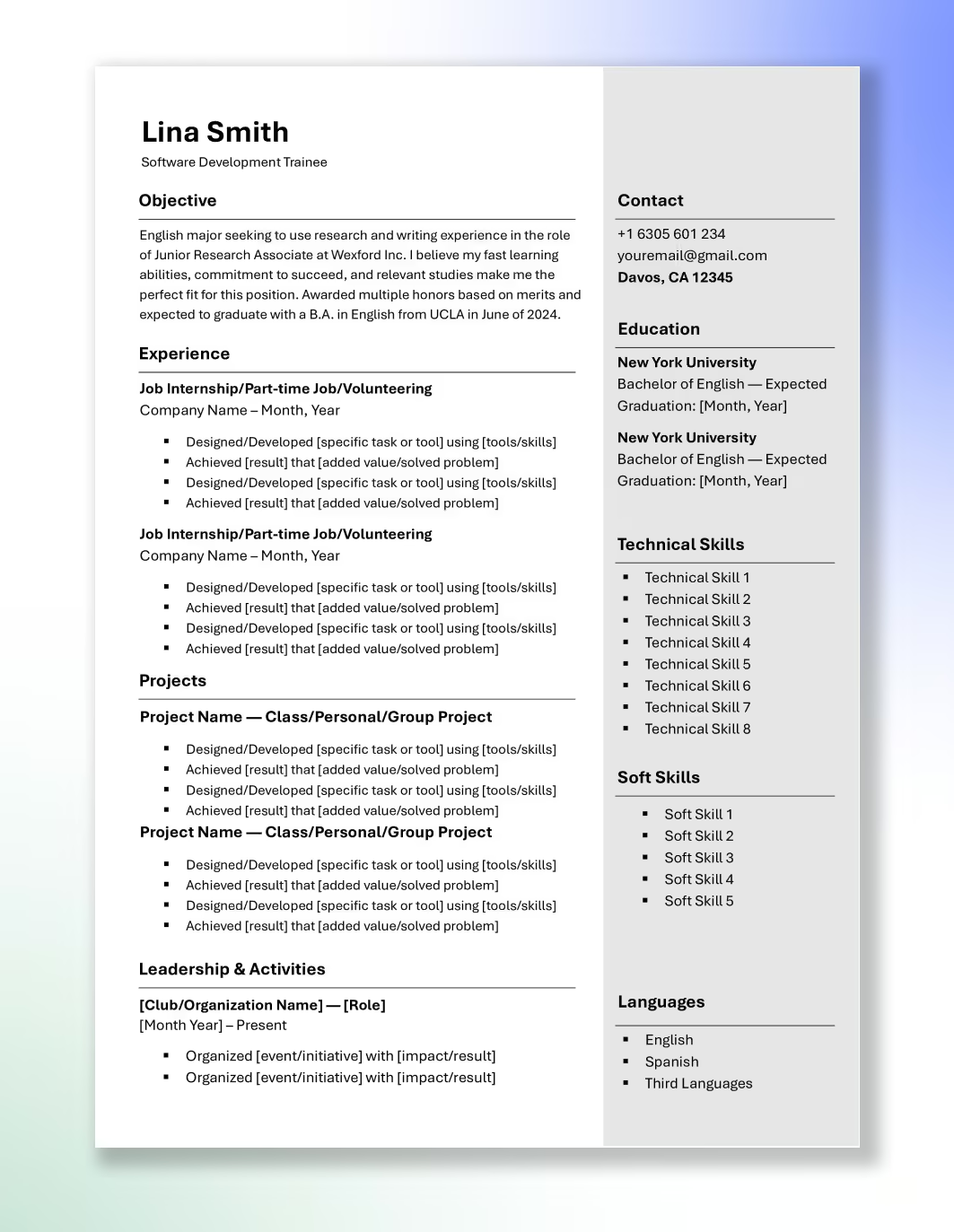
Popular in tech and design. This is powerful only if you can back it up. If you list “Python” or “Digital Marketing,” you must immediately connect that skill to a specific project or certification. Without proof, a long skill list raises red flags.
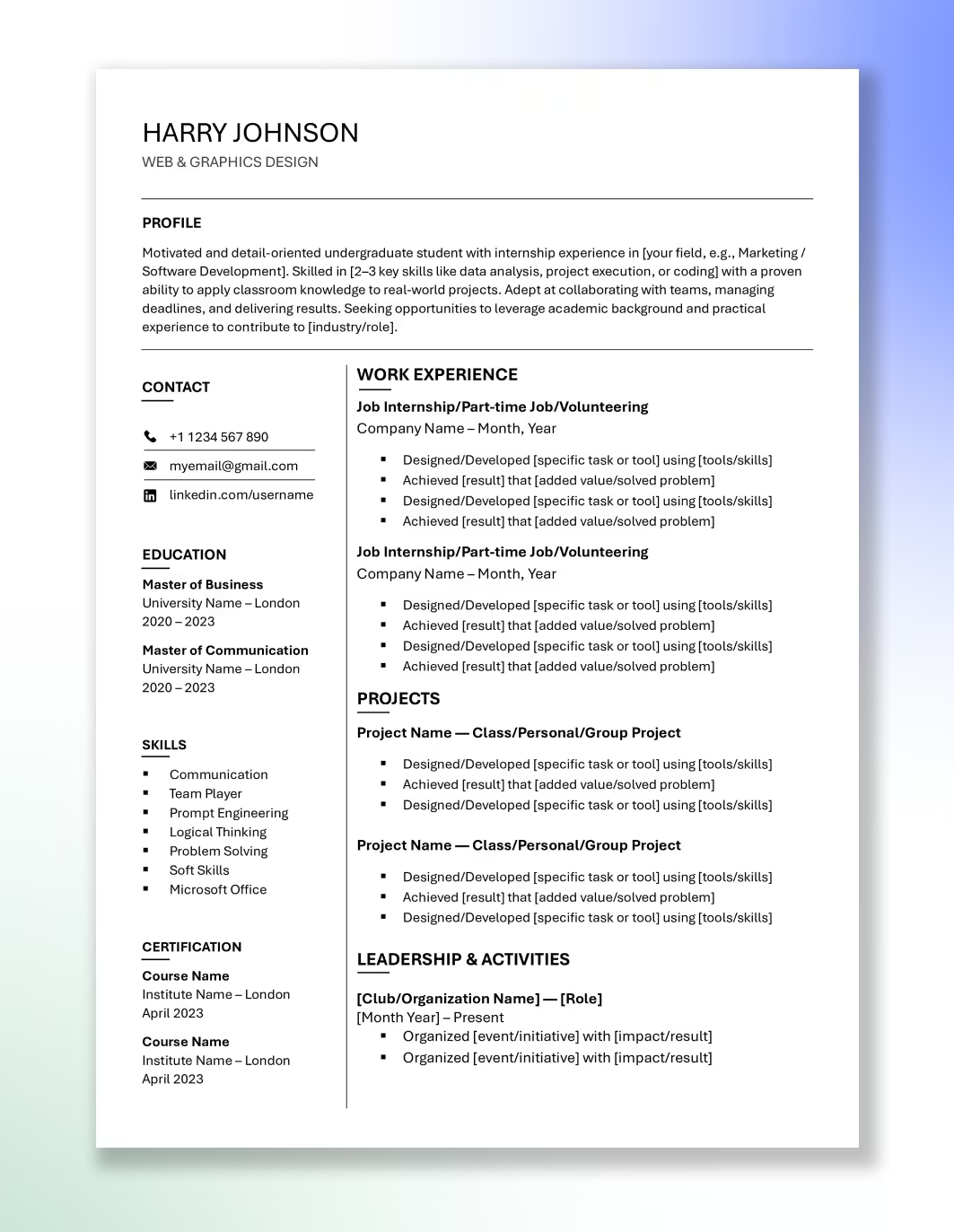
The Internship/Student Resume
If you are still a student, this format is perfectly acceptable. We aren’t looking for high-level polish here; we are looking for intent. We want to see your academic projects, the tools you’ve experimented with, and any volunteering or campus initiatives.
How to Use a Template Properly
The template is just the skeleton; your content is the muscle. To make it work:
- Customise for every role: Never send the same resume twice.
- Use bullet points: Keep them to two lines maximum. Avoid paragraphs at all costs.
- Focus on outcomes: Instead of “Worked on college project,” try “Built a basic inventory tracker using Excel formulas to manage lab supplies.”
- Humanise your content: In 2026, AI-generated “fluff” is everywhere. Avoid generic phrases like “passionate self-starter.” Be specific and be yourself.
If you’re a fresher in 2026, don’t overthink this. Start with a clean, ATS-friendly free template. Stop trying to impress and start trying to communicate. A resume doesn’t get you the job—it gets you noticed. And that is all it needs to do.